
Variance is a critical aspect of homeownership, impacting budgeting, savings, and borrowing power through property taxes, insurance, maintenance, and interest rates. To manage variance effectively, homeowners should create detailed budgets based on historical data, track expenses against budgeted amounts, and engage with local authorities early for construction or renovation projects requiring variances. Understanding variance types (use, dimensional, special use) and navigating permit processes empowers informed decision-making, prevents delays, ensures compliance, and can secure better loan terms. Consulting experts like architects and legal professionals is advisable for significant additions.
Homeowners often face the challenge of understanding variances in their properties, impacting decisions from renovations to insurance claims. This complexity can be a significant hurdle for informed choices. Our expert walkthrough aims to demystify these variances, offering valuable insights into how they influence homeowners’ journeys. We explore critical factors, practical considerations, and best practices, ensuring you’re equipped to navigate this intricate landscape. By the end, you’ll possess the knowledge to make confident decisions tailored to your unique situation.
Understanding Variance: A Homeowner's Guide

Understanding variance is a crucial aspect of homeownership that can significantly impact financial decisions. Variance, in simple terms, refers to the difference between your expected or estimated expenses and actual costs incurred during the course of owning a property. For homeowners, this concept is vital as it influences budgeting, savings, and borrowing power. A comprehensive grasp of variance allows borrowers to make informed choices regarding mortgages, renovations, or other financial investments tied to their properties.
When discussing variance borrower requirements, several key factors come into play. Firstly, understanding the scope of potential variances in housing costs is essential. This includes variables like property taxes, insurance premiums, and maintenance expenses, which can fluctuate annually. For instance, a homeowner might anticipate an annual tax bill based on previous years’ assessments but could face higher or lower amounts due to changes in local property values. Similarly, borrowers should account for variable interest rates when comparing mortgage options; these rates impact the overall borrowing cost over the life of the loan. A 1% change in interest rates can translate into substantial variances in monthly payments and total repayment amounts.
Practical advice for homeowners involves creating a detailed budget that incorporates historical data on housing expenses as a starting point, while also allowing for realistic projections of future costs. Maintaining meticulous records of actual expenditures against budgeted amounts facilitates the identification of recurring variances. This self-awareness empowers borrowers to adjust their spending plans and financial strategies accordingly. For instance, if a homeowner consistently underestimates property taxes due to seasonal fluctuations, they might choose to set aside additional funds each month to cover these periodic costs. By actively managing variance, homeowners can avoid unexpected financial surprises and make more accurate borrowing decisions, aligning their financial plans with the ever-evolving landscape of housing expenses.
What is Building Variance and Why Does it Matter?

Building variance, a critical aspect of homeownership, refers to the deviation from standard building codes or regulations, often required for unique construction projects. It plays a pivotal role in ensuring that homes are built safely and according to local guidelines while allowing for creative design choices. For homeowners, understanding this concept is essential when making informed decisions about their properties.
When contemplating any construction or renovation project, borrowers should be aware of the variance borrower requirements. These could include structural modifications, non-standard materials, or departures from set regulations due to site-specific challenges or aesthetic preferences. For instance, building a home on a steep slope might necessitate variances to accommodate the terrain, ensuring both safety and accessibility. Similarly, incorporating specific design elements that don’t adhere to standard codes could require variances to maintain the desired look and feel. According to recent data, around 20% of residential construction projects in urban areas involve some form of variance request due to unique site conditions or innovative design concepts.
The significance of variance lies in its ability to balance safety, regulatory compliance, and personal expression. It empowers homeowners to create tailored living spaces while adhering to necessary standards. To ensure a smooth process, borrowers should engage with local authorities early on, seeking guidance on potential variances needed for their projects. This proactive approach not only prevents delays but also fosters better understanding between developers and regulators, leading to more successful construction endeavors.
Navigating Permits and Code Compliance

Navigating permits and code compliance is a crucial step for homeowners looking to make informed choices during renovation or construction projects. Understanding variances in local regulations can significantly impact project timelines and costs. A variance, in this context, refers to an adjustment allowed by zoning authorities to specific building codes or restrictions, catering to unique project needs or circumstances. It’s essential to recognize that these variances are not one-size-fits-all; they vary based on location, property type, and the nature of the proposed changes.
For instance, a homeowner looking to add a deck might require a variance if local building codes restrict deck heights or dimensions. Similarly, an architectural change, like installing a larger window in a historic district, may necessitate variances to comply with preservation guidelines. Homeowners should initiate the process by consulting their local building department to determine applicable rules and requirements. This initial step is vital as it clarifies eligibility for variances and informs borrowers about potential additional costs or delays associated with variance borrower requirements. Engaging with professionals experienced in navigating these processes can significantly enhance efficiency and ensure compliance.
Once eligible, applying for a variance involves submitting detailed plans, justifying the need, and providing relevant data to support the request. It’s crucial to document any unique challenges or circumstances that necessitate the variance. For example, a homeowner may demonstrate that a specific design element is essential for accessibility or energy efficiency, thereby meeting the burden of proof required for approval. Successful attainment of variances can unlock creative design possibilities while ensuring compliance with local codes, ultimately contributing to a project’s overall success and value.
Types of Variance Requests and Their Applications

Variance requests are a crucial aspect of homeowners’ rights and responsibilities, allowing them to make modifications or amendments to their properties when facing specific challenges. These requests are particularly important in areas with strict zoning regulations, where any change must adhere to stringent guidelines. Understanding the different types of variance applications is key for informed decision-making.
There are primarily three categories of variance requests: use variances, dimensional variances, and special use variances. Use variances enable homeowners to deviate from the permitted uses outlined in zoning ordinances. For instance, a property owner might seek permission to operate a home office, despite zoning laws favoring residential use only. Dimensional variances, on the other hand, involve alterations to a building’s size or shape, such as increasing floor space or changing roof lines. Special use variances are more complex and cover unique situations not addressed by standard regulations, like requesting approval for a satellite dish or wind turbine.
When considering a variance, borrowers should assess their specific needs and the potential impact on their property and neighbors. Local authorities typically evaluate these requests based on criteria like public safety, traffic congestion, and aesthetic considerations. For example, a variance to install solar panels might be approved if it aligns with sustainable energy goals while ensuring no shadowing effects on neighboring properties. Understanding variance borrower requirements is essential; each jurisdiction has its own set of guidelines and forms, demanding careful preparation and documentation. Engaging with local experts or attorneys can provide valuable insights, ensuring a successful variance application process.
Making Informed Decisions: Benefits and Considerations
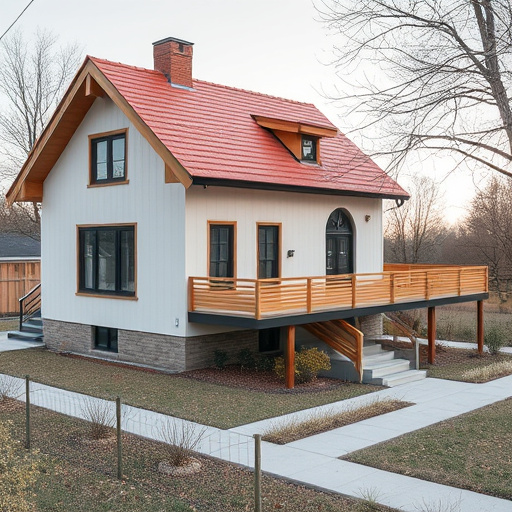
Homeowners often face crucial decisions when managing their properties, and understanding variance can significantly impact these choices. Variance, in simple terms, refers to the adjustment of building or zoning regulations to accommodate unique circumstances. This concept is particularly relevant when considering expansion projects, alterations, or even new constructions. By recognizing and navigating variance requirements, borrowers can make informed decisions that align with their financial goals and property aspirations.
The benefits of this knowledge are multifaceted. For instance, understanding variance allows homeowners to avoid potential delays and costly mistakes during construction. It enables them to proactively engage with local authorities, ensuring compliance from the outset. Moreover, being aware of variance borrower requirements can help individuals secure better loan terms. Lenders often view proactive engagement with regulatory bodies positively, which may result in more favorable interest rates and flexible repayment conditions. For example, a homeowner planning a renovation might discover that a small adjustment to the property’s zoning allows for an additional living space, enhancing its value and marketability.
However, navigating variance involves careful consideration. Homeowners must assess their specific needs and the local regulatory environment. Some jurisdictions have stringent rules, making variances more challenging to obtain. In such cases, consulting with experts like architects or legal professionals can provide valuable guidance. For instance, a borrower considering a significant property addition should consult both architectural and legal advisors to ensure the feasibility of a variance request and to understand the potential long-term implications for property taxes and insurance. By taking this proactive approach, homeowners empower themselves to make informed choices that respect regulatory frameworks while maximizing their property’s potential.