
Understanding property variance is crucial for homeowners as it impacts borrowing power and property value. Lenders assess variances between assessed and market values during mortgage applications. Positive variances can lower loan amounts, while negative ones may present challenges. Homeowners refinancing or accessing equity should expect discussions about variances, requiring supporting documentation. Strategic considerations like location, property age, market trends, unique features, and zoning laws influence variance, impacting borrowing terms and home value. Navigating variance appeals involves understanding local regulations, gathering evidence, and engaging in open dialogue with authorities. Maximizing home value through strategic adjustments and modern amenities can unlock significant potential.
Homeowners often encounter the term ‘variance’ when pursuing construction or renovation projects, yet its meaning can be elusive. Understanding variance is crucial for making informed choices, ensuring projects adhere to regulations while realising desired outcomes. This article provides an expert walkthrough, demystifying variances and equipping homeowners with the knowledge to navigate this aspect of building permits effectively. We’ll explore common scenarios where variances are sought, discuss the evaluation process, and offer practical insights into when—and when not—to pursue a variance request.
Understanding Variance: A Homeowner's Guide to Property Values

Understanding variance is a crucial aspect of homeownership that directly impacts property values and borrowing power. Variance, in simple terms, refers to the deviation of a property’s assessed value from its market value. This concept is particularly significant when homeowners consider selling, refinancing, or applying for loans. Lenders and borrowers alike must grasp how this metric influences transactions and financial decisions.
When a homeowner seeks a mortgage, lenders often refer to a property’s appraisal report to determine its value. The appraiser compares the subject property with similar nearby sales (comparables) to arrive at an estimated market value. Here’s where variance comes into play: if the home’s assessed value differs substantially from the appraised value, it may trigger further scrutiny. For instance, a homeowner might find that their property is valued lower than expected by the local assessor, creating a positive variance. This scenario could allow them to negotiate the sale price or secure a loan for less than the estimated value. Conversely, a negative variance, where the assessed value exceeds the market value, may present challenges when borrowing since lenders typically base loan amounts on appraised values.
Borrowers should be aware that lenders consider variance borrower requirements as part of their risk assessment. A small positive variance might be viewed favorably, indicating a property’s undervalued status. However, significant or persistent variances could raise red flags, especially if they suggest inconsistent property valuations. Homeowners seeking to refinance or access equity through home loans should anticipate discussions about these discrepancies and be prepared to provide additional documentation to support the market value of their properties.
What Impacts Your Property Variance: Factors to Consider

When assessing your property’s variance, understanding the various factors at play is crucial for making informed decisions. The term ‘variance’ refers to the deviation of a property’s actual value from its assessed value, which can impact borrowing power and financial strategies. Several key elements influence this variance, each requiring careful consideration by homeowners.
First and foremost, location plays a pivotal role. Properties in high-demand areas or sought-after neighborhoods tend to have higher market values, leading to larger variances. For instance, a home in a prime city center location may fetch significantly more than similar properties in peripheral regions. This spatial factor is a primary driver of variance borrower requirements, as lenders often use assessed value and market trends to determine loan eligibility and interest rates. Similarly, the age and condition of a property can dramatically affect its value; older homes might require substantial renovation costs, impacting overall worth and borrowing potential.
Another critical aspect is the local real estate market’s health. In booming markets, property values tend to escalate, creating larger variances. Conversely, declining markets may result in tighter variances as assessed values struggle to keep pace with sales prices. Homeowners should be attuned to market trends, especially when planning significant home improvements or considering refinancing options. Moreover, neighborhood amenities and infrastructure also factor into the equation; desirable schools, parks, or community facilities can boost property values, while inadequate infrastructure might have the opposite effect.
Finally, individual property characteristics, such as unique features, architectural design, or rare amenities, can significantly impact variance. Custom-built homes with specialized designs may command premium prices due to their distinctiveness. Similarly, properties with in-demand fixtures or situated on large plots of land can exhibit higher variances. Homeowners should be aware that these factors can influence borrowing requirements and may open doors to more favorable loan terms if the property’s value aligns with its unique attributes.
Navigating Variance Appeals: Rights and Procedures for Homeowners

Navigating Variance Appeals: A Comprehensive Guide for Homeowners
Many homeowners may find themselves facing unexpected challenges when it comes to their property projects. One such hurdle is the variance—a change from established guidelines or regulations. Understanding how to navigate these appeals is crucial, especially when pursuing necessary adjustments to your property. This guide offers an expert walkthrough, providing insights into the rights and procedures involved in variance appeals, ensuring homeowners can make informed choices.
The process begins by recognizing that variances are not always about bending rules but often about meeting specific borrower requirements. For instance, a homeowner looking to install solar panels might require a variance due to local zoning laws restricting their preferred location. The first step is to gather comprehensive information about the proposed change and its potential impact. This includes understanding the local jurisdiction’s regulations, identifying the need for a variance, and preparing supporting documents. Homeowners should also be aware that variances often come with conditions; therefore, it’s essential to anticipate these and demonstrate how they will be met.
When appealing a denial, homeowners should present their case clearly and concisely. This involves submitting detailed applications, addressing relevant guidelines, and providing evidence of the proposed project’s benefits or necessity. For example, if a homeowner seeks a variance for an addition, they might highlight the increased living space needed for growing family needs. Effective communication with local authorities is key; engaging in open dialogue can help clarify requirements and foster a collaborative environment. It’s worth noting that variances are not automatically granted, and borrowers must demonstrate extenuating circumstances or unique situations justifying their requests.
In some cases, homeowners may face multiple layers of review, requiring persistence and adaptability. Each jurisdiction has its own procedures, so understanding local regulations is vital. Keeping records organized and being prepared to address any concerns during public hearings can significantly impact the outcome. Remember, navigating variance appeals is a process that demands thoroughness and clarity. By following these steps and staying informed about borrower requirements, homeowners can confidently advocate for their projects, ensuring positive outcomes aligned with their vision.
Maximizing Your Home's Value: Strategies Beyond Simple Variance
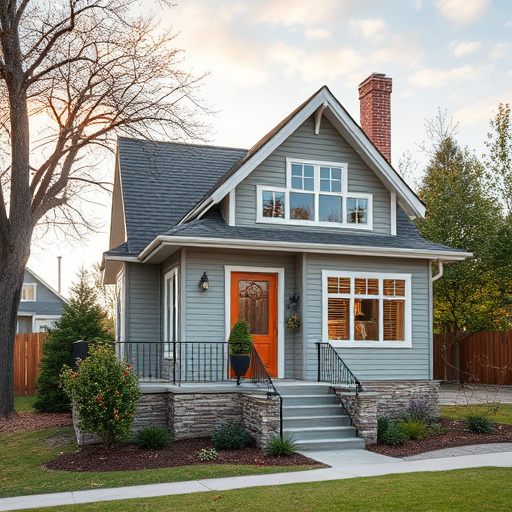
Maximizing your home’s value extends far beyond basic maintenance or renovations; it involves a strategic approach that thoughtfully considers variance. While simple variance adjustments might be readily visible, more nuanced strategies can significantly enhance its appeal and market standing. For homeowners looking to make informed choices, delving into these advanced techniques is crucial.
One powerful strategy involves planning for specific borrower requirements when considering variance. Lenders often have guidelines regarding lot size, building dimensions, and set-back rules—variations that can impact your home’s potential. Understanding these requirements early allows for better-informed decisions on renovations or additions. For instance, adding a second story might seem like an obvious way to increase space, but it must align with local zoning laws and loan criteria. A thoughtful approach could involve designing an extension that maximizes usable area while adhering to variance borrower requirements, thereby increasing the property’s overall value without compromising its legal standing.
Furthermore, focusing on unique features can set your home apart in a competitive market. Incorporating eco-friendly technologies or implementing smart home systems not only enhances comfort but also attracts environmentally conscious buyers and tech-savvy renters. These additions can command premium prices and make your property more desirable, even in a saturated real estate market. By combining strategic variance adjustments with modern amenities, homeowners can unlock significant value potential.